How to Build & Maintain Consumer Trust in Private Label Manufacturing
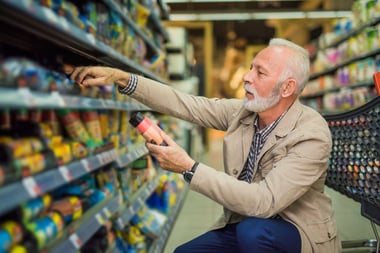
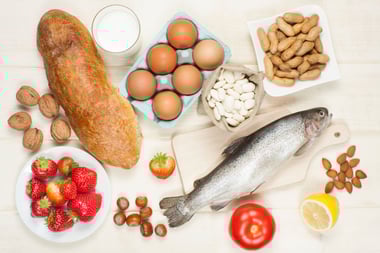
Private Label products have come a long way in recent years. Once perceived as cheap and basic compared to the national brands on offer, consumers are now recognizing that Private Labels are actually a worthwhile purchase. This was evidenced in a recent study undertaken by Nielsen [1], which revealed that the Private Label market share has climbed to an all-time high in nine European countries. That being said, with a mere 23% of consumers [2] saying they completely trust the safety of the Private Label brands they consume, according to a Trace One study, there is certainly room for improvement. Retailers must therefore prioritize their efforts to improve consumer confidence in Private Label products – see below for examples of a few ways in which this can be done. Transparency One of the most simple and effective ways to make your brand or product more appealing is through complete honesty. For example, with a recent survey [3] revealing that 55% of shoppers say online reviews influence their buying decision, it is highly recommended for brands to openly share what consumers think about their products. Not only will this have a positive impact on your company’s search rankings [4], it is an effective way of proving your integrity, whilst highlighting your efforts to improve the customer experience. McDonald’s Canada is a key example of this. The fast food giant launched a transparency marketing campaign named “Our food. Your questions,” that offered customers the opportunity to publicly ask anything. Whilst this put the brand in a potentially vulnerable position, it enabled them to dismiss rumors and provide customers with accurate information about the company and its products. This resulted in enhanced levels of customer trust. Clearly stated safety measures Private Label brands should also apply this level of transparency to the publication of their safety measures, which should be clearly emphasized throughout all marketing collateral and product packaging. Due to incidents such as the ‘horse meat scandal’ and, more recently, the chicken supply industry scandal in the UK, now, more than ever, consumers want retailers to prove how they uphold quality standards. Consumers need to be assured that the product in question is treated with exceptional hygiene and care, from sourcing to the store shelf. Confectionary giant Nestlé uses a number of platforms to emphasize their safety measures. They state that packaging plays a vital role in ensuring products reach consumers in a safe condition and carries clearly stated information about how the product should be prepared, stored, and used with detailed information on ingredients and allergen risks.