

In the United States, roughly 300 food recalls were issued in 2024, linked to nearly 1,400 illnesses and 19 deaths, according to the U.S. Public Interest Research Group (PIRG) and the FDA (CNN, 2025). Food-recall activity remains high and regionally variable: our own analysis shows how recall events have impacted certain states far more than others.
.png?width=570&height=650&name=AI%20in%20PLM%20whitepaper%20(1).png)
In Europe, the European Commission’s Alert & Cooperation Network reported 9,460 food safety notifications in 2024, including over 5,250 alerts through the Rapid Alert System for Food and Feed (RASFF) — a notable increase as regulators tightened oversight on allergens, pathogens, and labeling accuracy (Food Safety News, 2025).
Understanding recalls in the Food and Beverage industry
Food recalls are among the most serious challenges food and beverage manufacturers face. They occur when a product must be withdrawn from the market due to safety, contamination, or labeling issues, and the consequences can be severe.
A recall can quickly escalate from a regulatory requirement into a full-blown brand crisis. In an era where information spreads instantly through digital channels, even a minor recall can become global news within hours.
Which product categories concern consumers the most
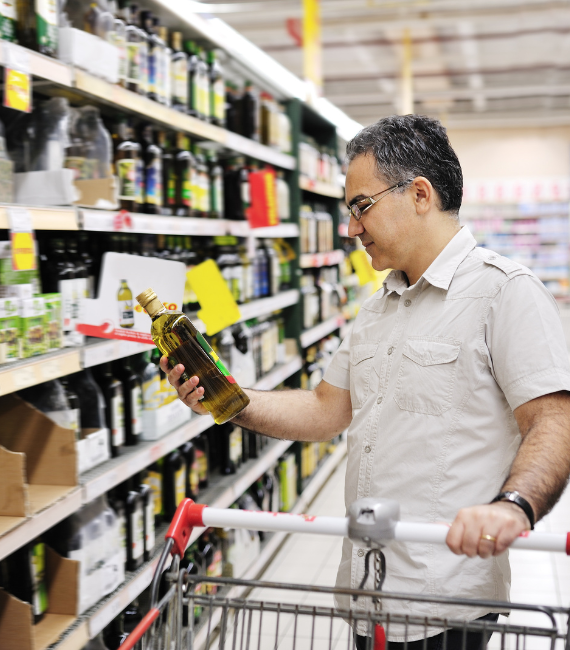
When it comes to food recalls, not all categories raise the same level of concern.
According to the Trace One Made in America Survey 2025, meat and poultry are the most worrying for consumers, cited by 28% of respondents, followed by fresh produce (18%), dairy (10%), and frozen foods (9%). Nearly 20% said that “all food categories are equally concerning.”
These insights highlight that recalls are not just about safety, they shape how consumers perceive entire product segments.
High-risk categories such as meat, poultry, and fresh produce tend to attract the most attention from regulators and media alike due to contamination risks, short shelf life, and complex sourcing chains.
This underlines the need for manufacturers to strengthen supplier verification, ingredient traceability, and label accuracy, especially for perishable goods.

The growing complexity of food safety
As global supply chains expand, so does the complexity of ensuring safe and compliant food products.
Shorter product lifecycles, diverse ingredient sourcing, and stricter regulations have made food safety management more challenging than ever.
Manufacturers today face constant pressure to:
-
Ensure full traceability from ingredient sourcing to retail shelves.
-
Manage increasing volumes of supplier and formulation data across multiple regions.
-
Comply with rapidly evolving labeling, allergen, and packaging regulations.
-
Respond instantly to consumer complaints and authority alerts.
Without the right systems and visibility, even one overlooked detail — an outdated label, an unverified supplier certificate, or a missed ingredient update — can trigger a costly recall and erode consumer trust.
Recent federal food-safety inspection cutbacks in the United States have further heightened concern. Experts warn that reduced staffing and laboratory resources at the FDA and USDA could slow response times and limit oversight of high-risk categories like meat, poultry, and fresh produce — increasing the burden on manufacturers to self-manage compliance and traceability.
As reported by NPR in May 2025, “budget and staffing cuts could make the U.S. food supply more vulnerable to contamination events” (NPR, 2025).
This shift underscores a broader trend: regulatory authorities are expecting manufacturers to take a greater role in proactive safety management, reinforcing the need for robust digital tools that automate monitoring, standardize documentation, and ensure compliance readiness at all times.
Why food recalls happen
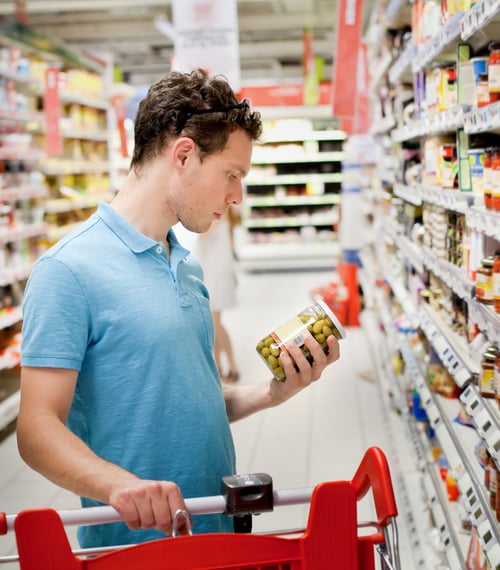
Food recalls are often the result of preventable lapses in process control, documentation, or supplier management.
Understanding the most common triggers helps manufacturers strengthen weak links before they lead to crisis.
Common causes of food recalls

Missing or incorrect allergen information (e.g., undeclared nuts, dairy, soy) remains one of the top recall drivers globally. This can result from labeling errors, ingredient substitutions, or supplier miscommunication.

Microbial contamination from bacteria such as Listeria monocytogenes, Salmonella, or E. coli can occur anywhere along the supply chain, from raw material handling to packaging.

Unexpected substances—plastic fragments, glass shards, or metal pieces—can enter food during processing or transport.

Sourcing ingredients from multiple regions or vendors increases the risk of mislabeling, adulteration, or incomplete certification.

Failing to comply with country-specific food safety or labeling laws (e.g., the EU’s FIC Regulation or FDA’s FSMA rules) can prompt immediate recalls or import bans.
.png?width=1000&height=1140&name=TO%20PLM%20Global%20Food%20Retailer%20Case%20Study%20(2).png)
The True Cost of Food Recalls When prevention is cheaper than correction
A recall’s financial toll can be devastating. Beyond the direct costs of logistics and product disposal, companies face revenue loss, legal exposure, and brand reputation damage.
Direct costs include:
- Investigation and testing
- Product withdrawal and destruction
- Distribution and logistics expenses
- Crisis communication and PR
Indirect costs include:
- Lost retailer contracts
- Declining consumer loyalty
- Regulatory penalties and lawsuits
- Increased insurance premiums
Even one incident can take years to recover from. Recalls don’t just disrupt short-term sales, they can reshape your brand’s entire market position.
.png?width=1000&height=1140&name=Trace%20One%20Devex%20PLM%20PDM%20(1).png)
The Hidden Cost: Lost Consumer Trust A single recall can erase years of loyalty
When a food recall occurs, the financial impact is immediate, but the emotional cost is far deeper.
Consumers today are more informed, connected, and reactive than ever. The moment a recall makes headlines, conversations begin online, opinions form instantly, and brand trust can disappear overnight.
Unlike logistics or legal costs, trust cannot be reimbursed or replaced. It’s earned over years of consistency, transparency, and perceived safety, and one incident can undo all of that in a day.
Modern consumers expect accountability. They want brands to act swiftly, communicate openly, and demonstrate real control over their supply chains. When that doesn’t happen, a recall can quickly turn into a public relations crisis that overshadows even a company’s best achievements.
For manufacturers, the challenge isn’t just to manage a recall, it’s to rebuild confidence.
Recovering from a damaged reputation often means months of additional investment in communication, promotions, and new product launches to regain lost loyalty.
See how Trace One protects brand reputation
-
 78%of consumers hear about recalls online
 -
 66%check whether they have the affected product at home
 -
 93%discard or return recalled products

Outdated Data, Modern Recall Risk Disconnected compliance data drives costly mistakes
In today’s complex food industry, data silos are one of the biggest hidden risks to product safety.
Regulatory, R&D, and quality teams often work in parallel systems — each managing their own versions of product data, ingredient lists, or supplier certifications. Without a unified view, it only takes a small oversight to create a large-scale problem.
When information is fragmented, labels can quickly fall out of sync with reality.
A last-minute formulation change might not be reflected on packaging.
A supplier update could go unnoticed by the compliance team.
An old ingredient record may remain active, even after regulations have evolved.
These are small human errors in appearance — but in a world of strict allergen controls, evolving labeling rules, and instant consumer scrutiny, they can have enormous consequences.

Step 1: Immediate risk assessment
Identify the affected products, batches, and distribution points. Use data from suppliers, production, and retail to map the scope quickly.
Step 2: Internal coordination
Bring together your quality, regulatory, and communication teams to align messaging and responsibilities.
Step 3: Regulatory notification
Inform relevant authorities promptly (e.g., FDA, EFSA, or local health agencies) to ensure compliance and reduce penalties.
Step 4: Public communication
Issue transparent, fact-based updates to retailers and consumers. Use digital channels, press releases, and website alerts.
Step 5: Root cause analysis and prevention
Conduct a post-event analysis to identify the cause and implement corrective actions to prevent future incidents.

Building Consumer Confidence in the Digital Age Transparency is the new currency of trust
In a connected world, brand reputation is built—or broken—online. A recall can go viral within hours, influencing how consumers perceive your integrity and reliability.
Transparency is now the new currency of trust. Brands that communicate clearly, take responsibility, and act quickly not only minimize backlash but often emerge stronger.
Trace One empowers food manufacturers to embed compliance into every stage of the product lifecycle, from development and formulation to labeling and launch, so your brand can build lasting trust.
With Trace One, you’re not just managing compliance, you’re protecting your brand’s promise.
Preventing recalls through smarter compliance
The most effective recall management strategy is prevention. Modern compliance management tools transform the way manufacturers can identify risks before they escalate.
How Trace One drives a recall-free future for brands
Trace One Regulatory Compliance gives manufacturers real-time visibility into product data, ingredient risks, and regulatory changes. With our centralized compliance platform, move from recall response to recall prevention:
- Smart Alerts: Stay ahead of evolving food safety laws with automated notifications
- Regulatory Intelligence: Monitor global legislation, authorities & official sites all in one dashboard
- Risk-Based Ingredient Monitoring: Identify risky substances that could trigger compliance issues or recalls
- Market-Specific Compliance: Ensure product compliance readiness for each target market
By automating these processes, Trace One revolutionizes the shift from reaction to prevention, delivering global consistency and reinforced compliance.





















Explore ways that customers are using Trace One Regulatory Compliance Featured Case Studies
-
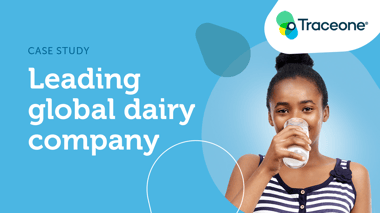
Food and Beverage
Learn how a leading dairy company transformed food regulatory compliance and risk management
See how one of the top five dairy companies in the world with an annual revenue of over $20 billion used Trace One Regulatory Compliance to meet the highest global food safety standards.
-
.png?width=380&name=TO_CaseStudy_Compliance_Feature_Spirits_01%20(1).png)
Food and Beverage
See how a leading Spirits Company innovates faster and globalizes cherished brands with Trace One Regulatory Compliance
Discover how a leading spirits company streamlined global regulatory compliance with Trace One Regulatory Compliance, enhancing efficiency and accuracy across its diverse portfolio of premium brands.
-
.png?width=380&name=TO_CaseStudy_ComplianceCloud_Feature_GM_02%20(1).png)
Food and Beverage
Find out how a global food manufacturing business stays up-to-date on the latest regulations with Trace One Regulatory Compliance
Versatile ‘My Queries’ functionality of Trace One Regulatory Compliance delivers essential regulatory information instantly to global food manufacturers.