|
PLM
|
AI in PLM
Posted By:
Laetitia Pires
Trace One introduces AI-powered product development assistance that helps manufacturers turn existing product knowledge into better-informed formulation decisions.
Summary
Trace One Copilot introduces natural-language product searches and AI-assisted ingredient recommendations from existing company data. New Compliance What-If Analysis lets teams investigate proposed formulation changes without altering approved product information. The release also improves supplier data management and introduces a searchable Product Catalogue, alongside self-service analytics for Cloud customers.
Meet the updated Trace One Devex PLM 7.0.
A manufacturer may have spent years developing products, but some of its most valuable knowledge can still be difficult to use.
An earlier formulation might provide the starting point for a new development project. An approved ingredient could offer an alternative when the current formulation needs to change. The information exists, but finding it and establishing whether it meets the new requirements can take considerable work.
That accumulated knowledge has enormous potential when it becomes accessible at the point of development.
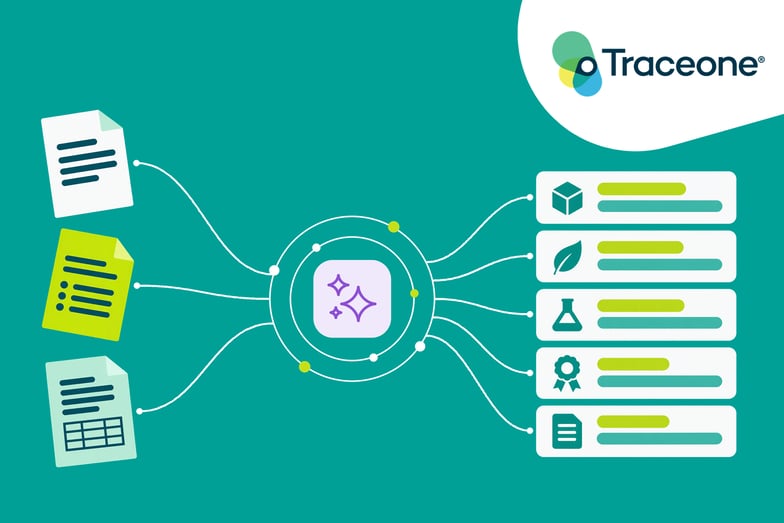
Trace One Devex PLM 7.0 introduces a new way to work with it. Through Trace One Copilot, product developers can search their existing product information using natural language and explore ingredient alternatives based on their project requirements.
The release goes further by allowing teams to evaluate proposed formulation changes before applying them, bringing a new level of assistance to the decisions that shape product development.
The value of knowing what you've already developed
Product development rarely begins with a complete absence of information. Manufacturers already hold extensive knowledge about the products they've made, and much of that experience can inform what they develop next.
The challenge is finding the relevant information when it's needed.
Trace One Copilot's new Product Development Assistant changes how teams can approach that work. Its Product Data Searches capability allows users to ask questions about existing product records in natural language, without needing to construct advanced database queries.
A developer investigating an ingredient can explore where it is used and examine the relevant formulation data within Trace One Devex PLM.
The next step is where the new AI capabilities become particularly interesting.
Ingredient Suggestions can analyze an existing formula and recommend potential alternatives from the company's approved ingredient library. Recommendations can take account of the requirements defined for the development project, allowing users to investigate whether a substitution could help meet a particular objective.
Rather than treating a suggestion as a final answer, developers can examine the alternatives within their project and simulate how a proposed replacement might affect the product.
That makes existing product knowledge more useful during the creative and investigative stages of formulation, when teams are still deciding which direction to take.
Knowing what a change means before making it
Finding a suitable alternative doesn't necessarily mean a formulation is ready to change.
The ingredient may be technically appropriate, but its effect on the product still needs to be assessed. Regulatory requirements can influence whether the proposed substitution is acceptable, and the finished label may need to change as a result.
Trace One Devex PLM now allows teams to explore those consequences without modifying the approved formulation.
With Compliance What-If Analysis, developers can simulate a proposed formulation change and examine its regulatory implications. The resulting ingredient statement or nutrition label can also be previewed before the change is implemented.
This creates room for investigation within the development process. Teams can consider a potential improvement and understand what it would mean for the product before committing to it.
New real-time allergen evaluation provides another way to bring assessment closer to formulation. Allergen limits can be defined within Product Requirements, allowing developers to see how changes affect the restrictions associated with their target markets.
The value is in having relevant assessments available while development choices are still being made, rather than discovering their consequences only after a formula has progressed.
Better decisions depend on better supplier information
Product knowledge is only as useful as the information behind it.
Much of the technical detail needed to assess a material originates with its supplier. Safety Data Sheets are an important source, but converting the information they contain into usable product records can require detailed manual work.
The new Supply Chain Assistant uses AI to extract hazard and composition information from Sections 2 and 3 of supplier Safety Data Sheets.
Extracted information is placed into structured fields, where users can review it against the original document. The data remains editable before validation, preserving an important distinction between automated extraction and approved product information.
The release also makes supplier communication easier to maintain within the platform.
A new Supplier Collaboration Workspace allows manufacturers to exchange messages directly with supplier contacts and retain shared documents within the collaboration history. This gives teams access to the information behind a supplier discussion when it becomes relevant to later product decisions.
These improvements support the quality of the product knowledge that Trace One Copilot and development teams can draw upon.
Making product knowledge useful beyond R&D
The information accumulated during development also matters once a product reaches the market.
Portfolio teams need to understand what's already available before making decisions about future product ranges. Yet the information held in a PLM system isn't always easy for people outside R&D to explore.
The new Product Catalogue makes that information more accessible through a visual, searchable view of the product portfolio.
Designed for non-technical business users, it allows teams to find products and examine their associated information without navigating the underlying technical data structures.
Cloud customers can take that visibility further through Self-Access Analytics. Business users can create their own reports from governed materials and specifications data, with the ability to investigate the records behind their results.
Product knowledge therefore becomes more accessible to the wider business, including the people responsible for deciding where the portfolio should develop next.
Building on what manufacturers already know
The next product will always require new ideas. But the knowledge needed to evaluate those ideas often comes from work that has already been completed.
Trace One Devex PLM 7.0 makes more of that experience available during development.
Trace One Copilot helps teams investigate what already exists and explore possible alternatives. Compliance What-If Analysis provides a way to assess those possibilities before they affect an approved product. Improvements to supplier information management strengthen the records supporting those decisions.
The wider release extends the usefulness of product data beyond the people who created it, making it easier for teams across the business to understand the portfolio they are working with.
For manufacturers, this is an important evolution in product lifecycle management: making the knowledge accumulated through years of product development more useful in shaping what comes next.
