Where U.S. Employers Fail to Warn Workers About Chemical Dangers
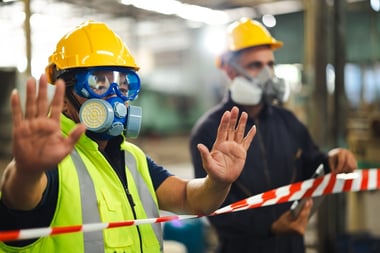
Millions of U.S. workers handle, store, or work near hazardous chemicals every day—from cleaning solvents and industrial adhesives to flammable gases and corrosive substances. Without proper training, clear labeling, and accessible safety data sheets, employees may not fully understand the health risks they face, including respiratory illness, chemical burns, or fire and explosion hazards. Federal regulators and occupational health experts widely view hazard communication as a foundational component of workplace safety because it determines whether workers have the information needed to protect themselves. To address these risks, the Occupational Safety and Health Administration (OSHA) established the Hazard Communication Standard (HazCom) in 1983. Often referred to as the “right-to-know” rule, the standard requires employers to classify chemical hazards, label containers, maintain safety data sheets, and train workers on safe handling procedures. Yet more than four decades after its adoption, HazCom remains one of OSHA’s most frequently cited workplace safety standards, indicating persistent compliance gaps across industries and regions. To identify where U.S. employers are failing to warn workers about chemical dangers, Trace One—an SDS, regulatory compliance, and PLM software company serving the chemicals, food & beverage, and cosmetics sectors—analyzed OSHA enforcement data from 2021 through 2025. The analysis investigates which states and industries account for the most HazCom violations, as well as how these citation trends have evolved over time.